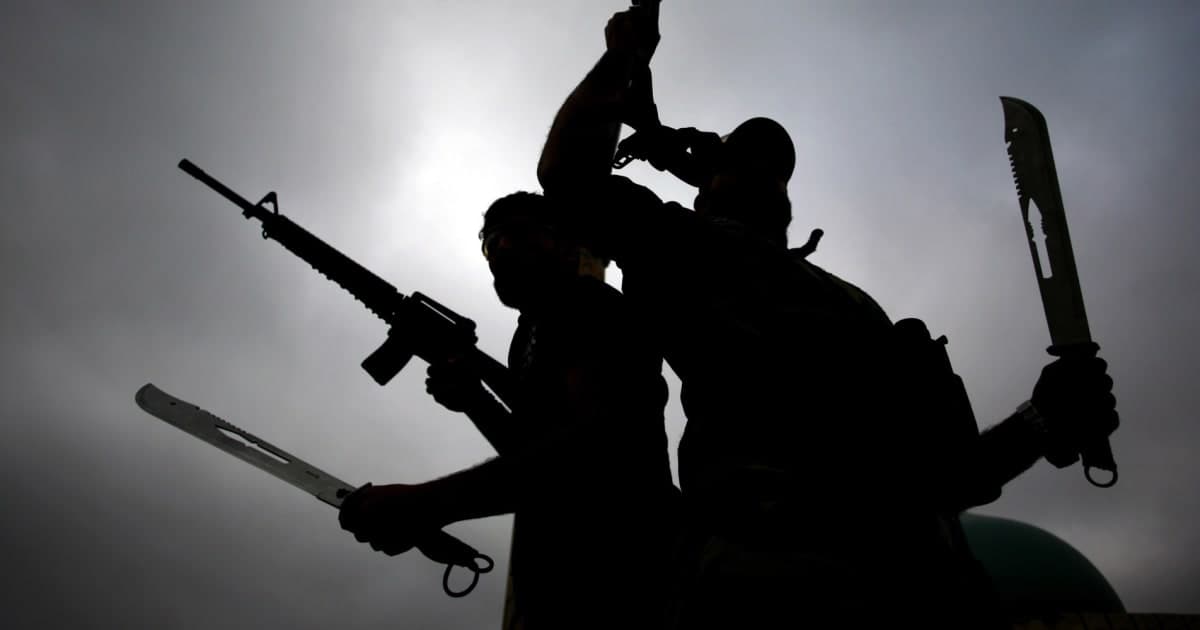
Digital Jihad: Lashkar-e-Taiba and the support of their recruitment through online platforms
Examines Lashkar-e-Taiba's online recruitment tactics and how to counter violent-extremist propaganda and radicalization.

Examines Lashkar-e-Taiba's online recruitment tactics and how to counter violent-extremist propaganda and radicalization.
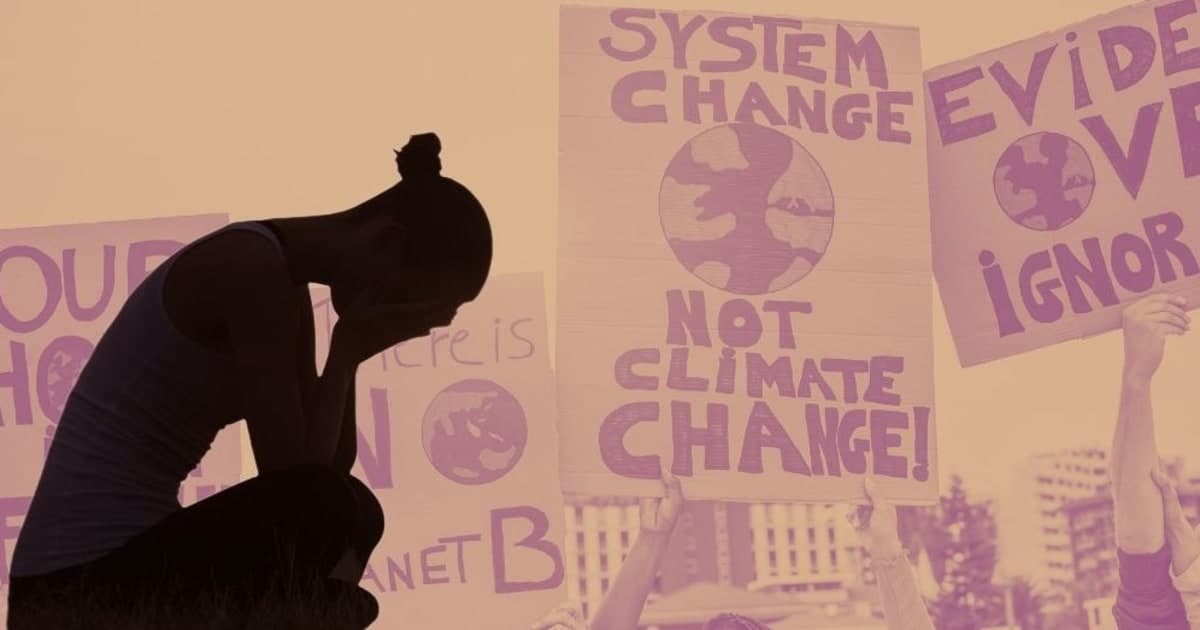
Climate change in Pakistan impacts women disproportionately, exposing vulnerabilities while highlighting their vital resilience strategies.

Climate change threatens global security, demanding integrated solutions that link environment, policy, and international cooperation.

The gap in women’s participation in Pakistan's economy is rooted in structural barriers, not women’s inabilities or unwillingness.
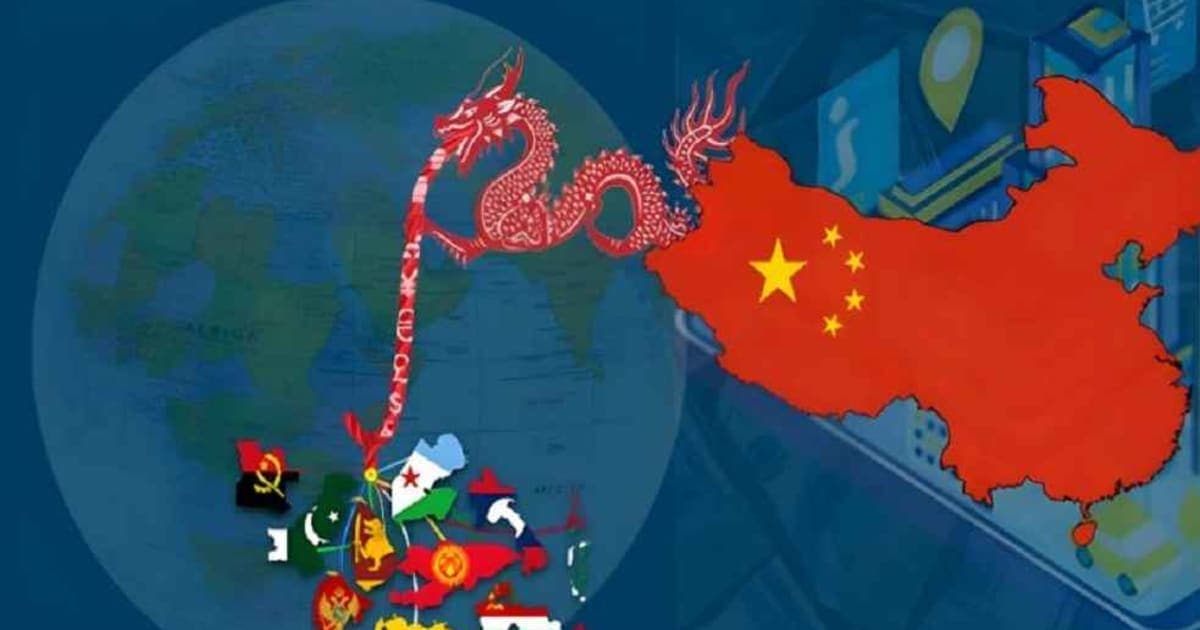
China’s BRI offers economic growth but raises fears of strategic entrapment, debt dependency, and shifting global power dynamics.

Misinformation fuels Pakistan’s digital dilemma, undermining security, spreading distrust, and challenging resilience in cyberspace.
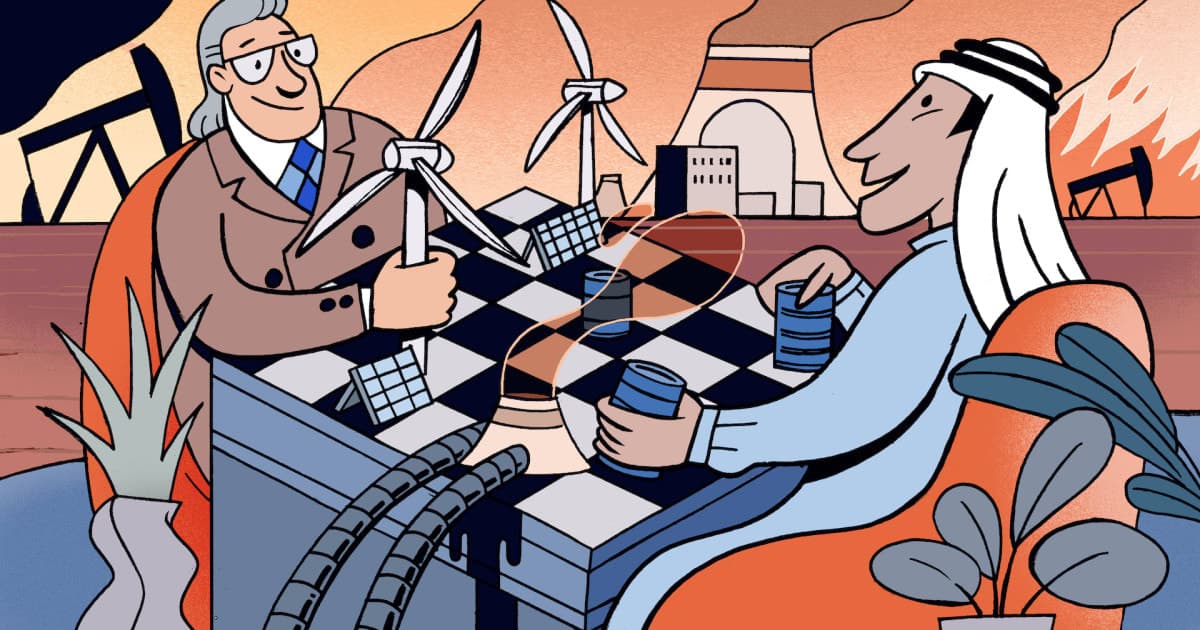
Developed nations use climate policies as leverage, creating green colonialism that pressures and limits the Global South’s growth.

This article examines how disinformation surrounding the Pahalgam attack and Operation Sindoor has been used to fuel anti-Pakistan narratives.
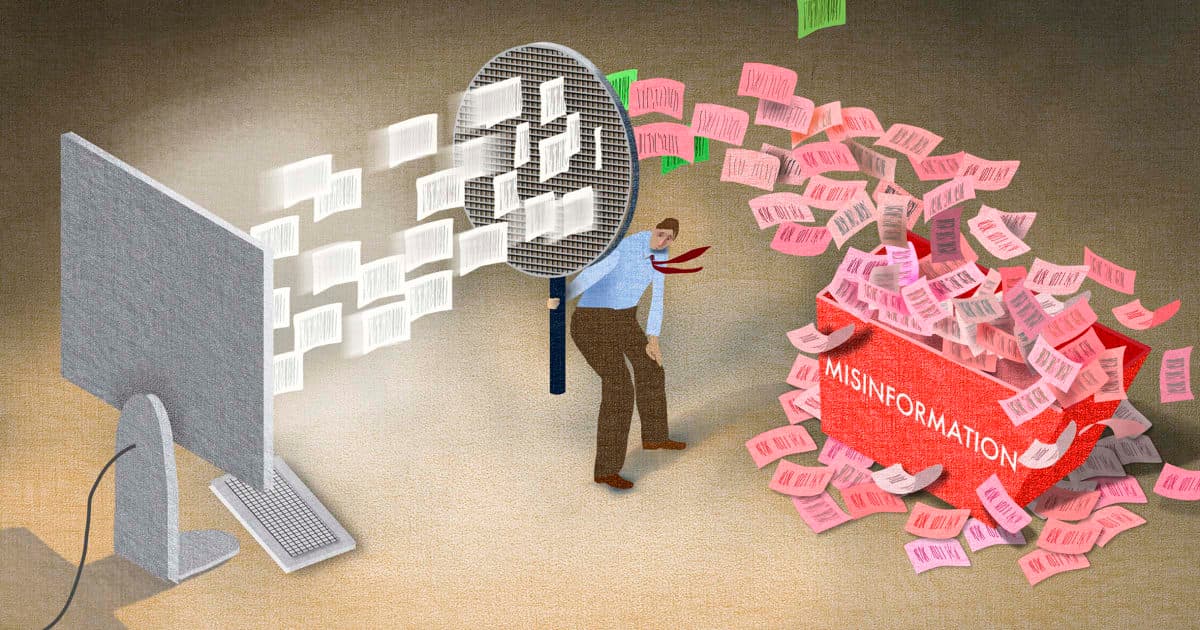
Misinformation shapes international relations by distorting narratives, fueling mistrust, and influencing global diplomatic decisions.
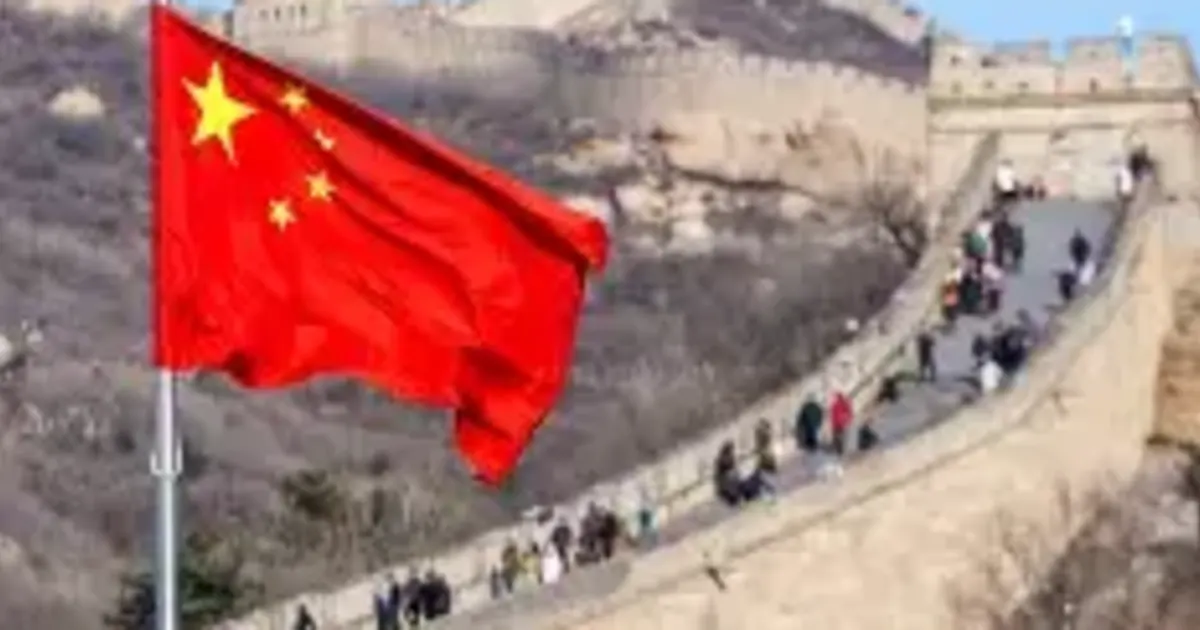
China’s growing influence in South Asia sparks debate—acting as a peacemaker in some areas while fueling tensions in others.
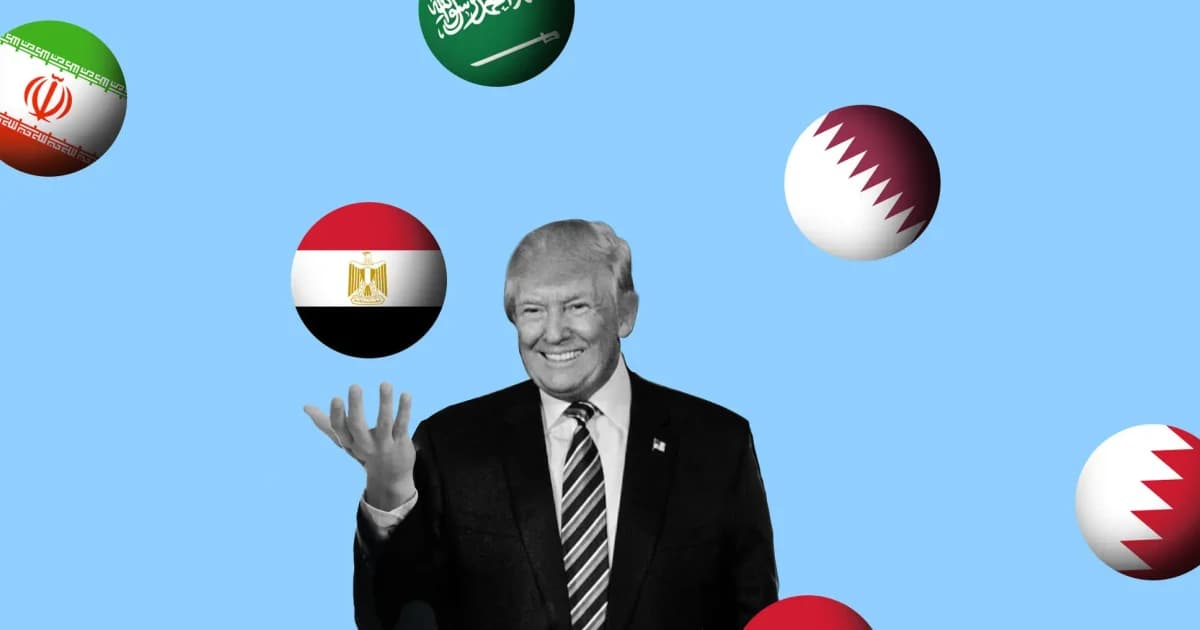
Trump’s use of Gulf terminology reshapes Middle East politics, influencing alliances, regional identities, and power dynamics.
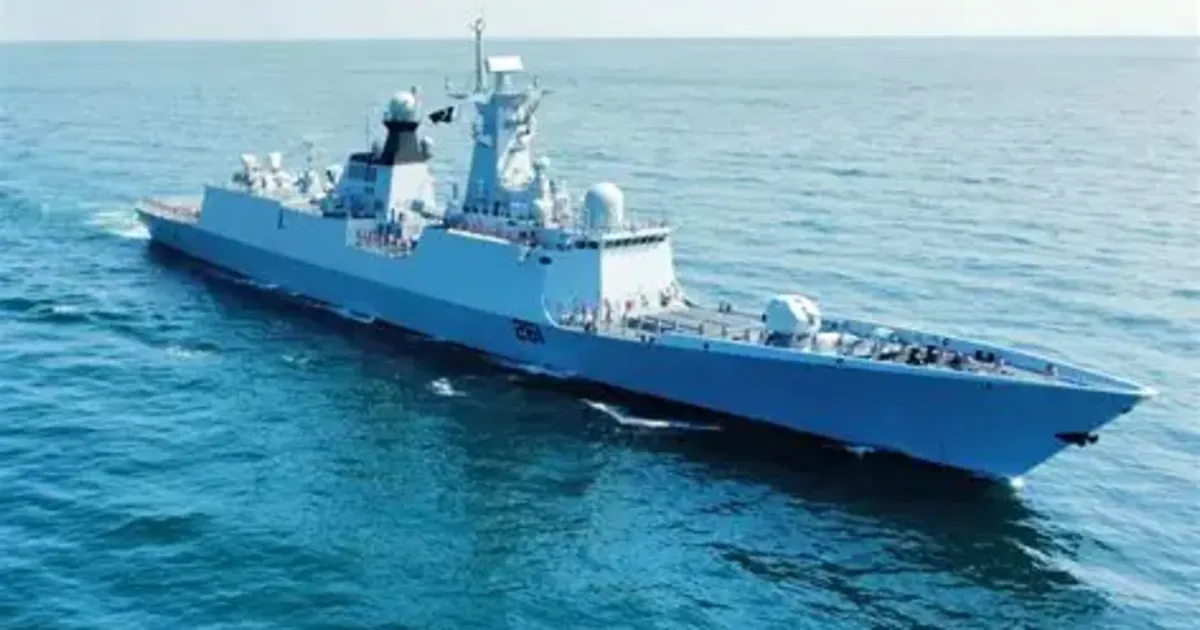
Pakistan’s blue economy holds vast untapped maritime wealth, offering opportunities for growth, trade, and sustainable development.